

Introduction
In the global aviation industry, few airlines represent an entire region as strongly as LATAM Airlines. As the largest airline group in South America, LATAM plays a crucial role in connecting millions of passengers across continents while driving economic and cultural exchange within the region.
Overview of LATAM Airlines
LATAM Airlines Group is a Chile-based multinational airline holding company formed through the merger of LAN Airlines (Chile) and TAM Airlines (Brazil). Today, it operates one of the most extensive airline networks in the Southern Hemisphere.
The group serves both passenger and cargo operations, connecting:
- South America
- North America
- Europe
- Oceania
- Africa
With a workforce of over 39,000 employees and a fleet of more than 350 aircraft, LATAM stands among the largest airline groups globally.
History & Formation
The origins of LATAM date back to 1929, when Chile’s national airline was founded. Over decades, the aviation landscape evolved with the growth of Brazil’s TAM Airlines.
The defining moment came in 2012, when LAN and TAM merged to form LATAM Airlines Group—creating a powerful aviation network across Latin America.
This merger allowed the airline to expand its reach, unify operations, and compete globally with other major airline alliances.
Network & Global Reach
🌍 Extensive Route Network


6
LATAM operates flights to over 130 destinations in more than 20 countries, making it one of the most connected airline networks in the world.
Its major hubs include:
- Santiago (Chile)
- São Paulo (Brazil)
- Lima (Peru)
- Bogotá (Colombia)
These hubs allow seamless connectivity between regional and long-haul international routes.
Fleet & Technology
✈️ Modern Aircraft Fleet


6
LATAM operates a modern and efficient fleet that includes:
- Airbus A320 family (A319, A320, A321)
- Airbus A320neo
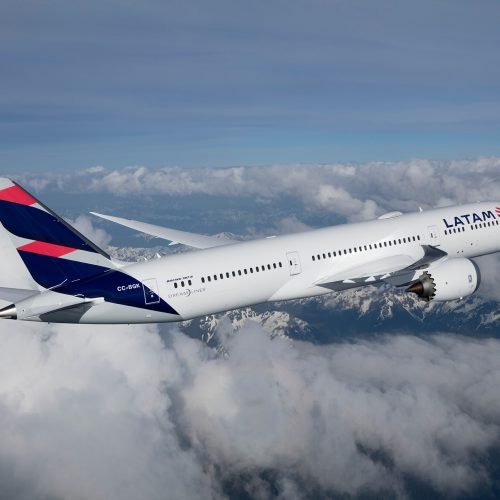
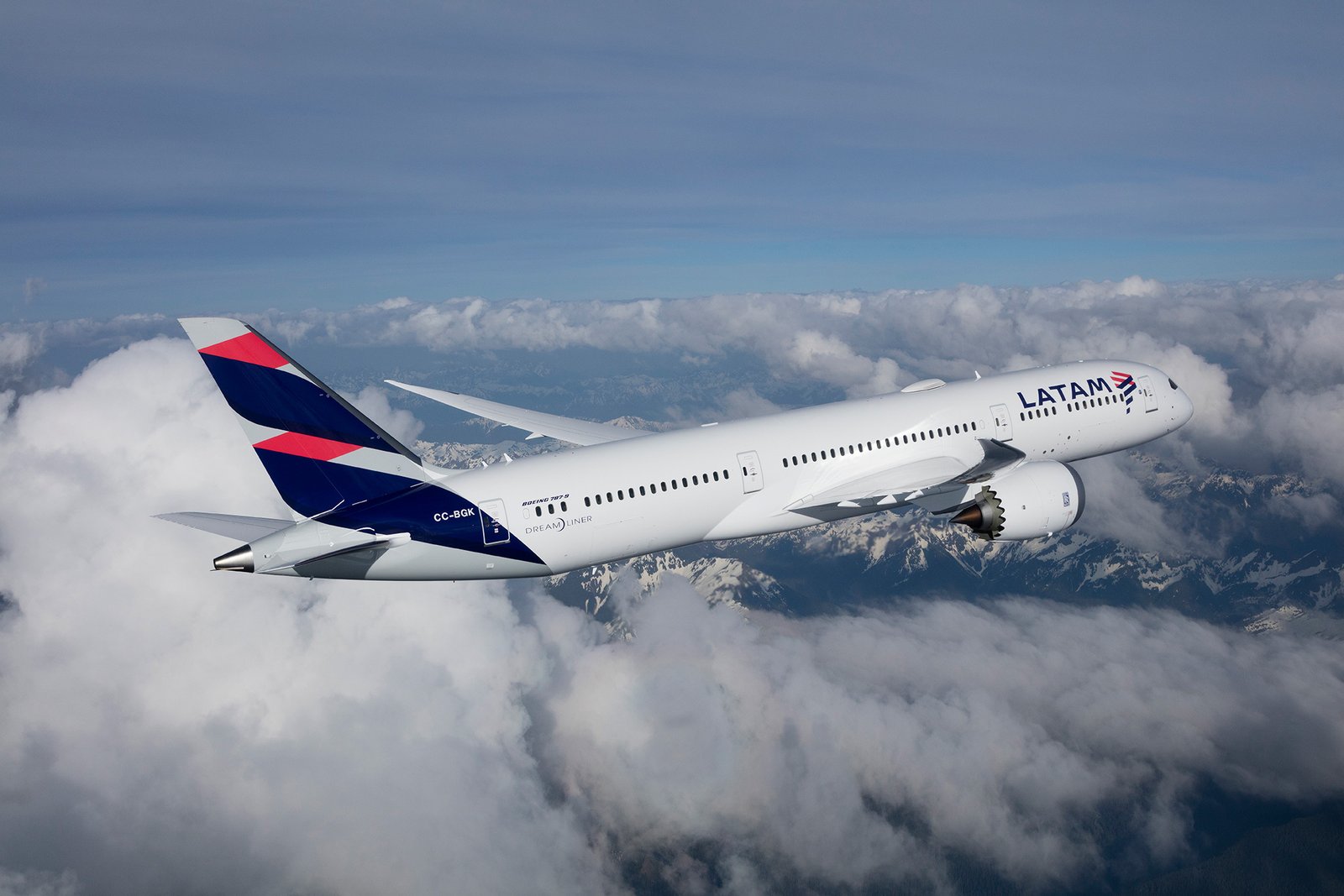
- Boeing 787 Dreamliner
The airline is known for adopting advanced aircraft like the Boeing 787, offering improved fuel efficiency and passenger comfort.
Services & Customer Experience
🧳 Passenger Services
LATAM provides a range of travel classes:
- Economy
- Premium Economy
- Premium Business
Passengers benefit from:
- In-flight entertainment systems
- Comfortable seating configurations
- International cuisine options
🎁 Loyalty Program
The airline operates LATAM Pass, one of the largest loyalty programs in South America, offering rewards, upgrades, and travel benefits.
Business Operations
📦 Cargo Services
In addition to passenger flights, LATAM has a strong cargo division, transporting goods across global markets. This plays a key role in industries like:
- E-commerce
- Agriculture
- Pharmaceuticals
🌱 Sustainability Initiatives
LATAM is actively working toward reducing its environmental impact by:
- Exploring sustainable aviation fuels (SAF)
- Improving fuel efficiency
- Investing in modern aircraft
Market Position & Growth
LATAM holds a dominant position in Latin America due to:
- Extensive domestic networks in countries like Brazil and Chile
- Strong international connectivity
- Strategic hubs across the continent
Recent reports indicate steady growth in passenger demand and improved financial performance following restructuring efforts.
Challenges & Competition
Like other global airlines, LATAM faces several challenges:
- High fuel costs
- Economic fluctuations in Latin America
- Competition from global carriers and low-cost airlines
Despite these challenges, the airline continues to adapt through innovation and operational efficiency.
Conclusion
LATAM Airlines is more than just an airline—it is a vital connector of cultures, economies, and people across South America and beyond. With its vast network, modern fleet, and commitment to innovation, LATAM continues to strengthen its position as a global aviation leader.
As air travel demand continues to grow, LATAM is well-positioned to play a key role in shaping the future of aviation in the Southern Hemisphere.